United States

United States

Founded

Late 1880s

Connect

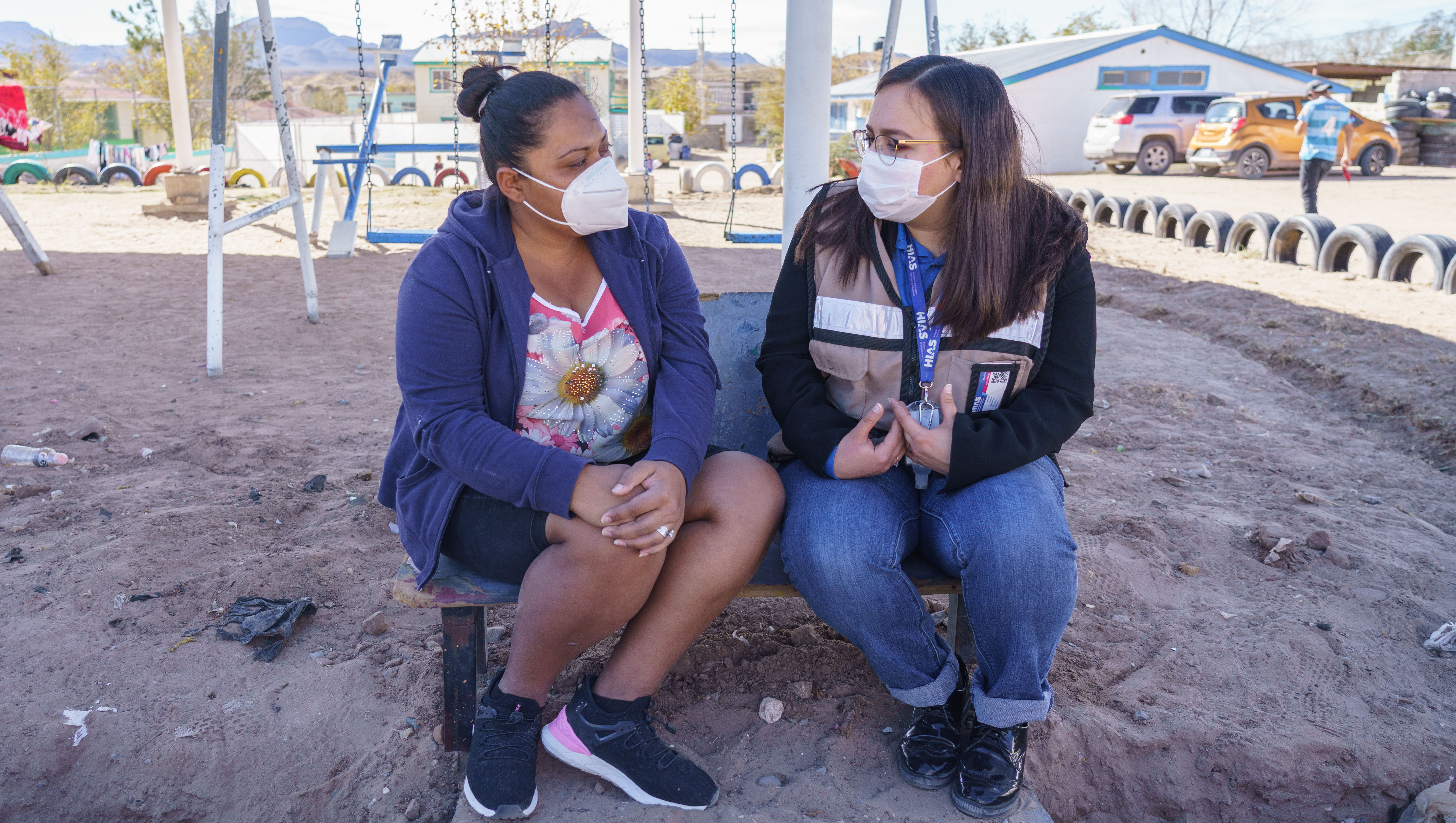
For over a century, HIAS has been helping refugees, asylum seekers, and other forcibly displaced people rebuild their lives in the United States. Each year, the United States welcomes thousands of refugees from around the world; HIAS is one of 10 organizations partnering with the federal government in this work.

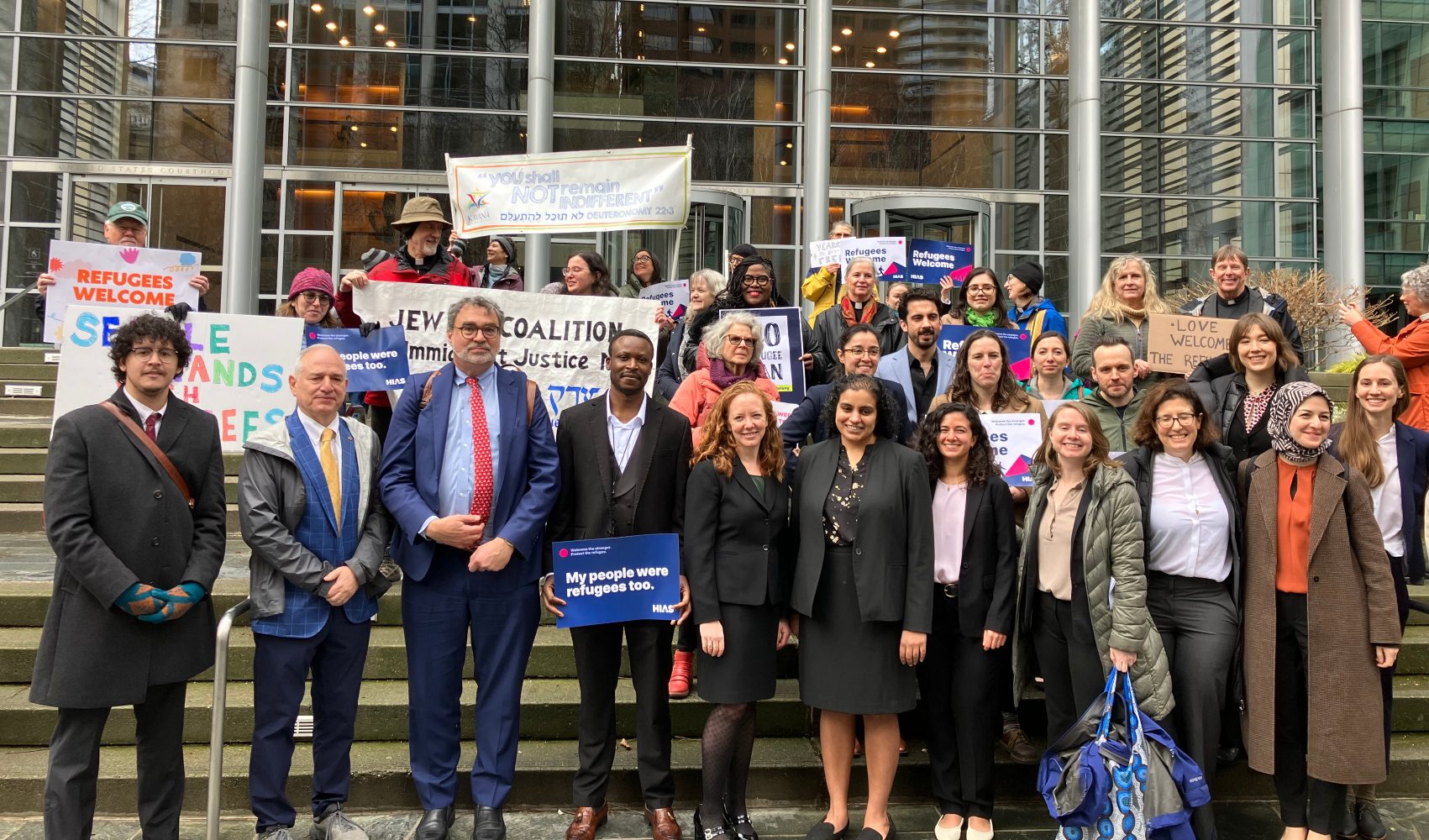
Working through our network of resettlement partners in 30 cities across the country, HIAS welcomes resettled refugees and supports them as they rebuild their lives. We also provide legal services and support to clients, including free legal representation for asylum seekers seeking to obtain legal status. 
Learn more about resettlement

8,279 people

resettled in new communities across the United States in the 2024 fiscal year

Our Work in the U.S.

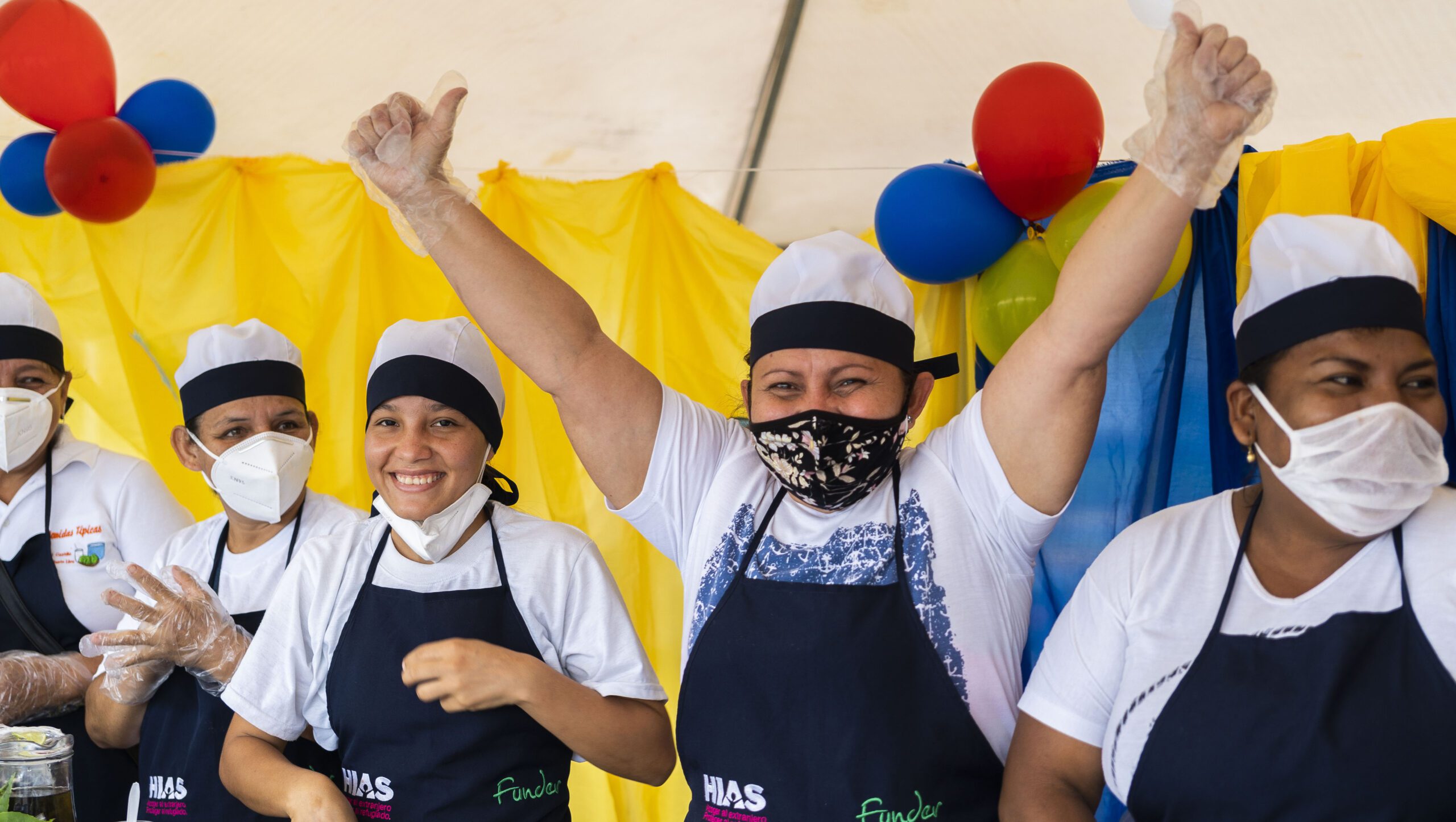
HIAS helps refugees and asylum seekers find safety and welcome in the United States through resettlement and integration, legal protection, and advocacy. With our network of U.S. resettlement partners, HIAS provides newly resettled refugees with the support they need to build strong foundations. This includes providing initial housing and basic needs, financial support, employment and education services, mental health resources, legal assistance, and much more. We also provide direct legal services to asylum seekers through our Silver Spring, MD and New York City offices and network of over 1,000 pro bono attorneys nationwide.

Impact

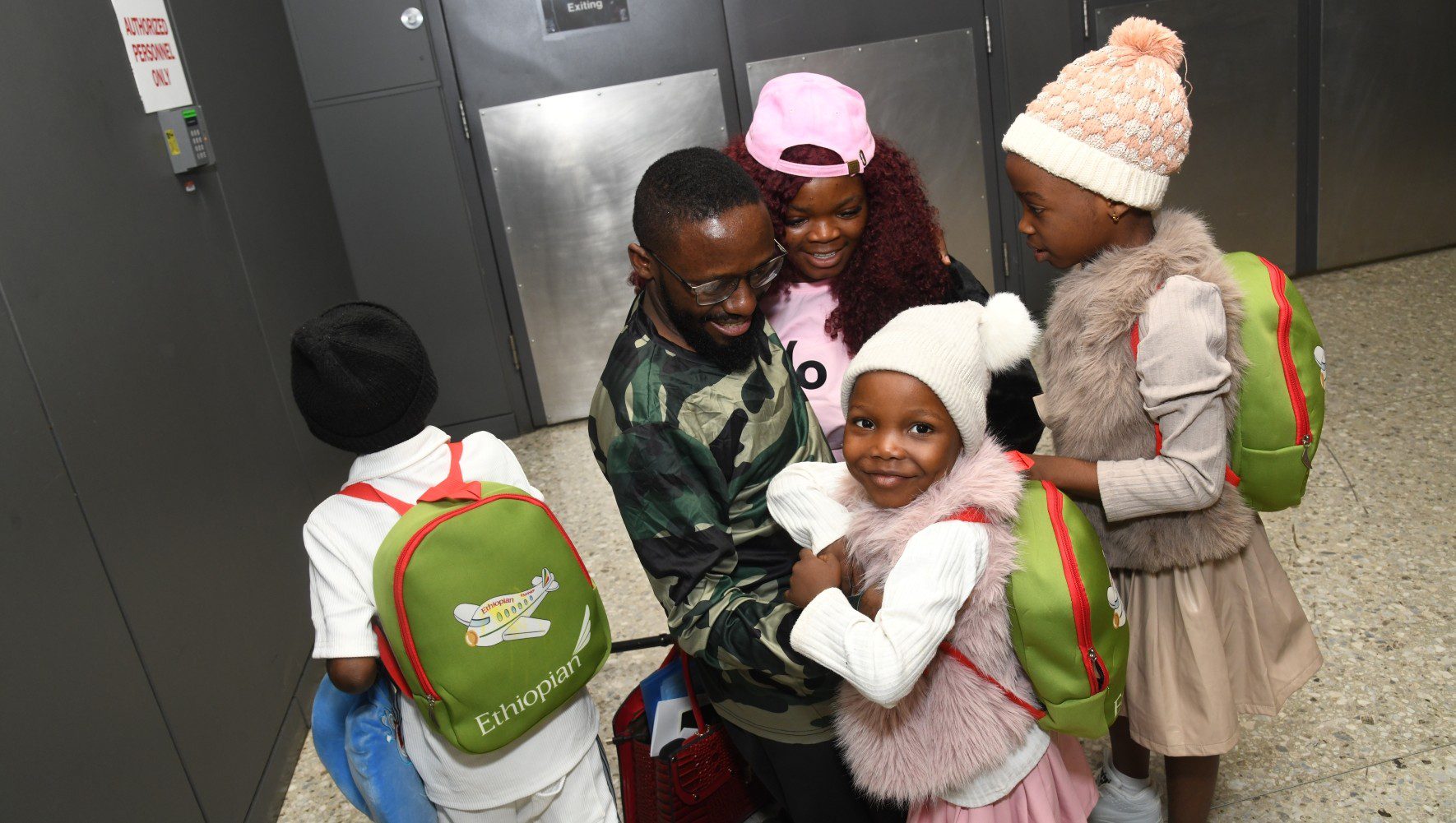
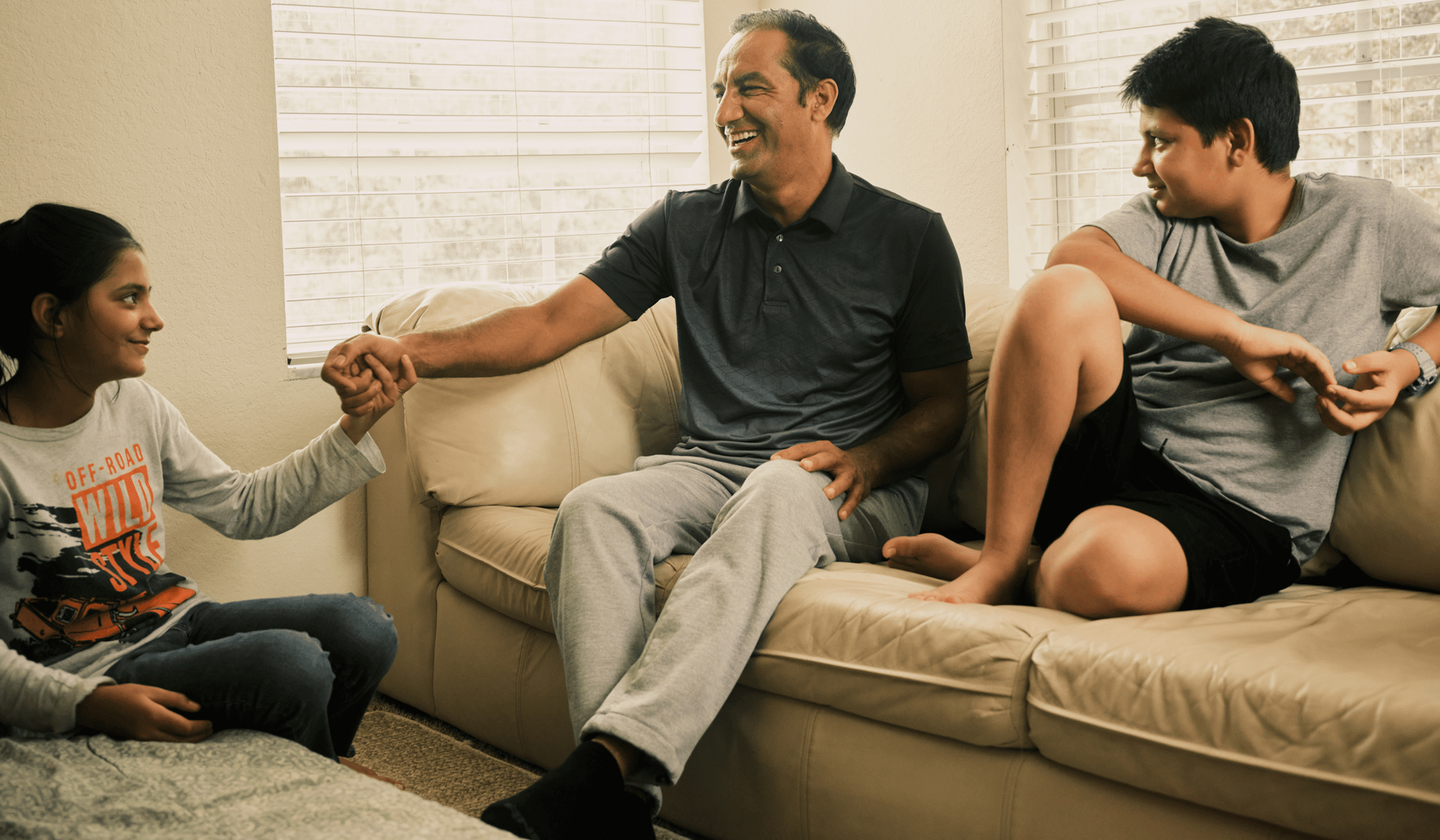
Fon, an asylee from Cameroon, reunites with his family in Washington, D.C. on December 5, 2025. HIAS provided Fon with legal and social services and helped him reunite with his wife and children. (HIAS)

HIAS Helps Asylum Seeker Reunite with His Family

Fon remembers what it felt like to keep moving, even when his body was exhausted, and his future was uncertain.

By the time he reached the United States, he had crossed 13 countries on foot to reach safety (as well as the notoriously treacherous Darién Gap). He was living with a disability and relied on a wheelchair and crutches to get through each day. Like so many displaced people, he carried trauma from what he survived, grief for what he lost, and fear of what could still happen next.

“The pain in my country was scarier than the Darién Gap. On my way to the U.S. I was conscious I could die on the journey,” Fon said “I didn’t come to the U.S. looking for a new life. I came looking for safety.”

Read more

HIAS’ services are free. If someone tries to charge you for services claiming they represent HIAS, please report it at our confidential email address: ethics@hias.org. HIAS has a zero-tolerance policy on fraud and corruption. 

For any other inquiries please email us at info@hias.org.